

Weather plays a major role in keeping crops safe from pests and diseases. Changing conditions like rain, heat, wind, and humidity can make it harder—or easier—to protect plants. Here’s how farmers can adapt their crop protection strategies in response to the weather.
🌦️ Influence of Weather on Pest and Disease Spread
- Heavy rain and high humidity often trigger outbreaks of pests and plant diseases. Wet conditions help fungi and bacteria grow, and can also cause pest populations to multiply quickly.
- Wind can spread diseases and pests across fields, increasing the risk to crops.
🌱 Timing Matters
- Using weather forecasts helps farmers apply crop protection products at the best time—when conditions favor pests, or just before bad weather hits.
- Avoid spraying before heavy rain, as it can wash products off the plants and reduce their effectiveness.
🌿 Protective Farming Practices
- Mulching, contour farming, and raised beds can help protect crops during heavy rains by preventing soil erosion and waterlogging.
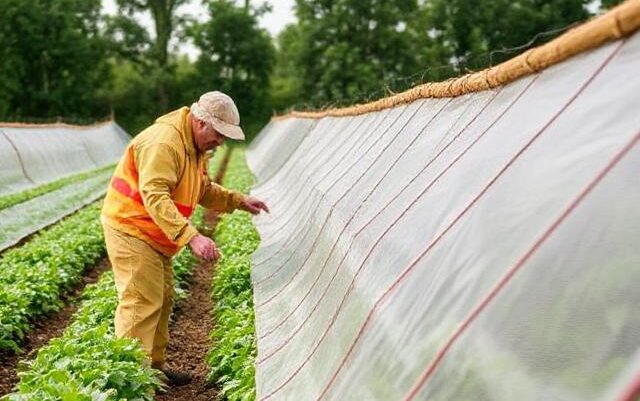
- Covering crops with row covers or netting shields them from damage caused by rain, wind, and sudden cold.
- Planting trees and shrubs as windbreaks reduces wind damage and keeps crops standing upright.
🚜 Using Technology and Diversification
- Crop protection apps and digital tools use weather data for real-time advice about when and what to spray or apply.
- Growing a mix of crops (crop diversification) helps buffer farms against weather extremes and keeps pest and disease cycles in check.
The weather can quickly change how pests and diseases attack crops. By monitoring local forecasts and adjusting crop protection strategies, farmers can stay one step ahead and keep their fields healthy, season after season.